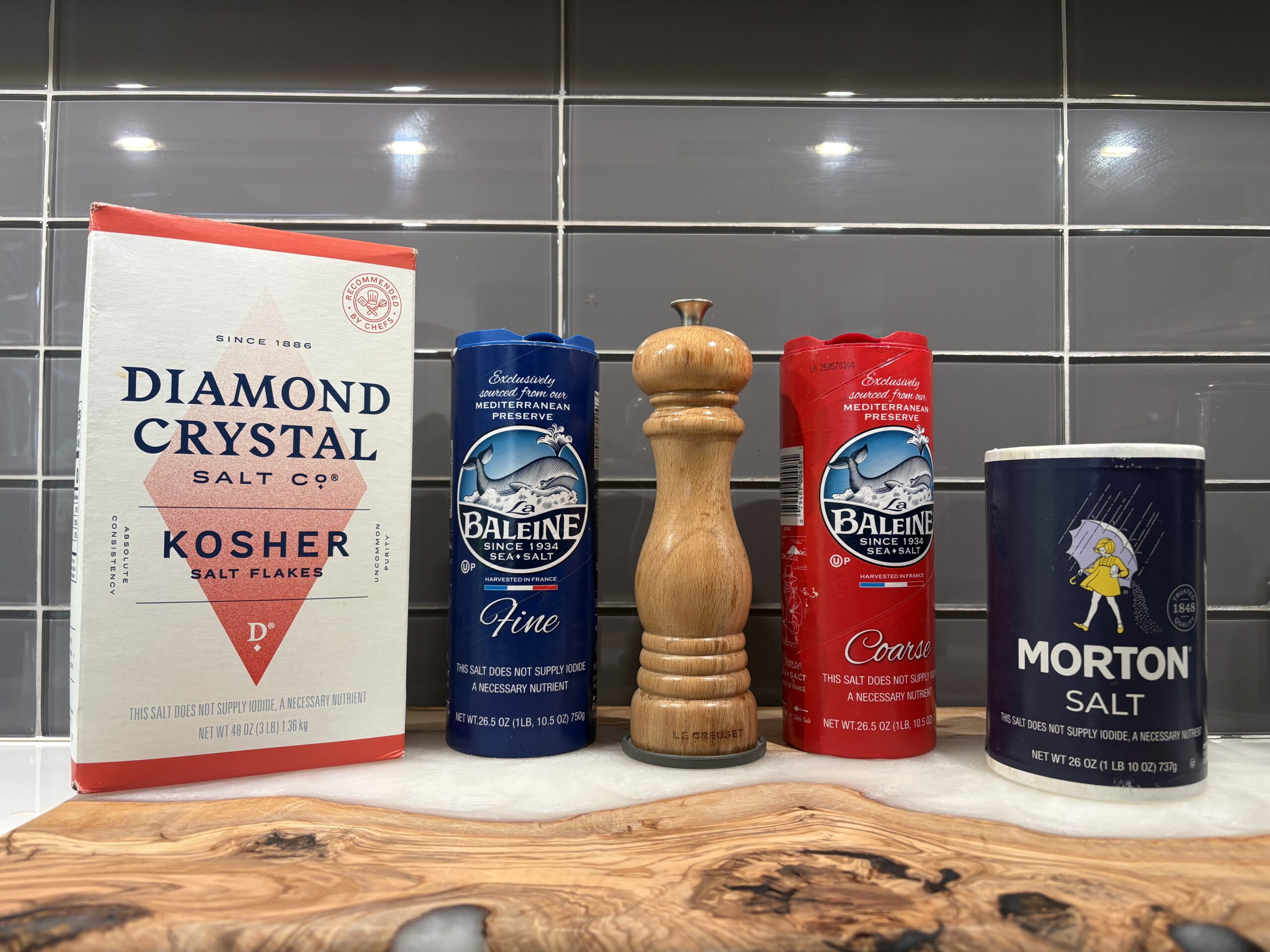
I visited the store yesterday, and I was vey hungry. I needed a quick snack before dinner. I spotted one of my favorites, plantain chips! Then I remembered that I should practice what I preach, so I flipped the bag over and read the sodium content on the nutrition label. These chips had 60 milligrams of sodium per serving and about 5 servings in each bag. I quickly calculated, if I eat this entire bag I will have over shot my daily recommended value of 2300 mg of sodium by 700 mg. I won’t tell you if I ate one serving or five, but I will tell you that they were delicious.
Standing in the grocery aisle with a product in each hand, trying to figure out which one is actually lower in sodium, can feel like being handed a test you never studied for. Most people know sodium matters. Far fewer feel confident reading the label fast enough to make a decision before the cart behind them starts tapping its foot.
The good news is that label reading is a skill, not a talent. Once you know where to look, it takes seconds.
Start With Serving Size
This is where most people get tripped up. A product can look modest in sodium until you notice the package actually holds three servings, not one. Always check serving size first. It’s the lens everything else gets measured through.
Check Total Sodium Per Serving
Once you know the serving size, find the sodium line. This is the number that matters for comparing similar products side by side, since most of the sodium Americans eat comes from foods processed or prepared before they ever reach a home kitchen.¹
Don’t Trust the Front of the Package
Words like natural, organic, multigrain, gluten-free, and heart healthy describe real things, just not sodium content. None of them are regulated sodium claims. The only honest answer lives on the nutrition facts panel, so that’s where the real conversation happens.
Scan the Ingredient List Too
Sodium hides under aliases. Sodium benzoate, sodium phosphate, baking soda, and MSG all add to your total, even when the word “salt” never appears. Government sampling of popular processed and restaurant foods has repeatedly found sodium levels varying widely between similar products, which is exactly why label reading beats guessing.²
Look for Patterns, Not Perfection
You don’t need to eliminate every trace of sodium from your life. That’s not the goal, and it’s not sustainable. Instead, notice which high-sodium foods show up again and again in your week. A soup you eat three times weekly matters more than a condiment you use once a month.
Practical Action Steps
- Compare labels before you buy, not after
- Choose minimally processed foods more often than not
- Cook at home when your schedule allows it
- Track the sodium sources that repeat in your routine
- Learn which of your regular restaurant orders tend to run highest
The Bottom Line
Reading labels won’t fix everything about blood pressure on its own, but it will show you where your sodium is actually coming from, which is the first real step toward change that isn’t guesswork.
Want personalized guidance connecting your nutrition choices to your blood pressure numbers? Book a Free 15-Minute Discovery Call to see whether our Blood Pressure Optimization Program is a good fit for you.