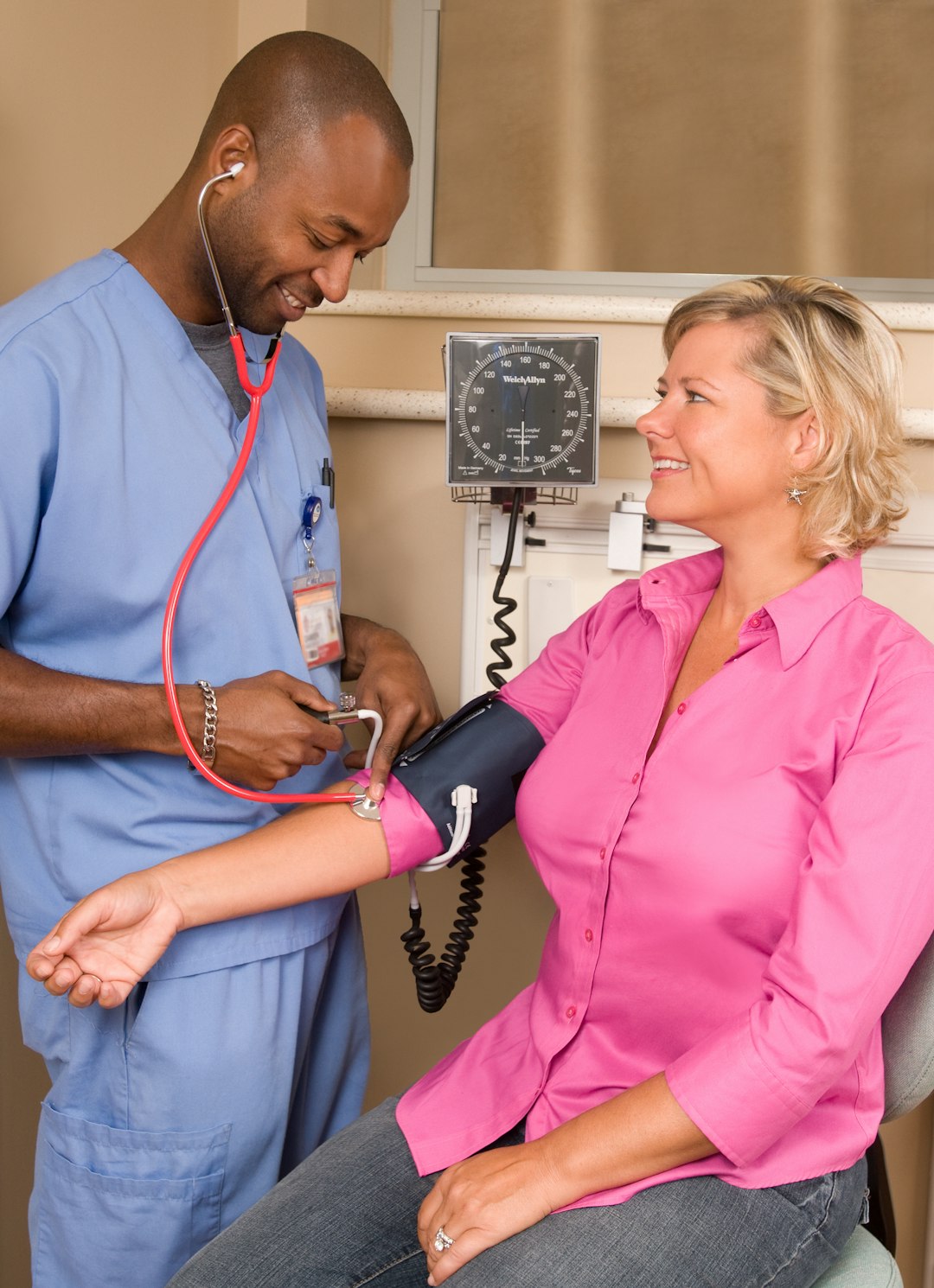
Having a healthy blood pressure, 100 – 120/ 60 – 80 mmHg, is incredibly important for
your overall health. The higher your blood pressure, the more risk one has for heart
issues, heart attack and stroke. Elevated blood pressure can also damage your brain,
eyes and kidneys.
Your blood pressure is recorded as two numbers:
● Systolic blood pressure (the first number) – indicates how much pressure your
blood is exerting against your artery walls when the heart beats.
● Diastolic blood pressure (the second number) – indicates how much pressure
your blood is exerting against your artery walls while the heart is resting between
beats.
Systolic blood pressure often rises with age due to increasing stiffness in our large
arteries, plaque build up, increased calcium in the vessel walls, and increased incidence
of cardiovascular diseases. Diastolic blood pressure often decreases with stiffness in
our arteries.
Oftentimes there are no symptoms of elevated blood pressure. The only way to know
what your blood pressure looks like is to measure it. Elevated blood pressure usually
occurs over time and can be due to lifestyle choices, like poor diets and lack of
exercise. Other predisposing conditions are diabetes and obesity. Women can also get
hypertension during pregnancy.
The good news is that often with some lifestyle changes, people can decrease their
blood pressure and prevent disease. When my patient Amanda implemented some of
the suggestions below, her elevated blood pressure came back down into the normal
range and has stayed there. For Amanda, this was great news, as she has avoided
using pharmaceuticals to lower her blood pressure.
SUGGESTIONS FOR REDUCING BLOOD PRESSURE
- use extra virgin olive oil, avocado oil, flaxseed oil and coconut oil
- eat some raw foods daily, steaming is better than boiling, avoid frying
26 - increase your daily intake of fruits, vegetables, legumes and dietary fiber (eg. gluten
free oatmeal, quinoa, millet, teff) - use generous amounts of fresh garlic and onions in your diet
- decrease simple sugars in your diet (even fruit juices should be diluted 25:75 juice/
water) - use filtered or spring water, drinking ½ your bodyweight in ounces.
- eliminate coffee from your diet, including decaffeinated
- be aware of sodium in your diet (watch for hidden sources- e.g. in processed foods,
ketchup, dressings, club soda) - eat cold water fish such as salmon, halibut, herring 2-3 times a week
- incorporate exercise/movement into your life. Work on getting 30 – 60 minutes of
movement at least 5 days per week. - be conscious of stress in your life. While it is impossible to avoid, we must learn ways
to manage stress and keep it at a minimum.
If you want to learn more about creating a personalized plan for lowering your blood pressure safely and effectively with natural medicine, book a discovery call today.