When my friend came to me asking why his blood pressure was so high, even though he exercised frequently, didn’t have a family history of hypertension, and was not overweight, I asked him a simple question, “Do you eat anything salty?” “Yes!”
As a pescatarian he enjoyed olives and salted fish, almost daily. I explained to him the role excess salt, also known as sodium, can play in the body. He stopped the daily olives and anchovies and his blood pressure dropped to a normal level. Read on to learn more about how what we eat can affect blood pressure.
High blood pressure — or hypertension — affects roughly one in three adults worldwide and is the single largest contributor to cardiovascular death and disability [1]. The encouraging news is that diet is one of the most powerful, modifiable levers we have. Years of clinical research now leave little doubt: what you eat directly shapes the pressure inside your arteries. This post covers the most evidence-based dietary approaches and the specific foods with the strongest research behind them.
Why Blood Pressure Responds to Food
Blood pressure is determined largely by how much fluid is in your vessels, how stiff or relaxed those vessel walls are, and how hard the heart pumps. Diet influences all three mechanisms:
- Sodium drives fluid retention, raising volume and pressure.
- Potassium, magnesium, and calcium help relax vascular smooth muscle, widening vessel diameter.
- Dietary nitrates are converted to nitric oxide in the body, a potent vasodilator.
- Polyphenols and antioxidants reduce oxidative stress and improve endothelial function.
- Fiber feeds gut bacteria that produce short-chain fatty acids, which modulate vascular tone.
No single nutrient tells the whole story. The cumulative effect of an overall dietary pattern is what consistently emerges in large-scale clinical trials.
The Most Evidence-Based Dietary Patterns
1. The DASH Diet — The Gold Standard
The Dietary Approaches to Stop Hypertension (DASH) diet was developed by the National Institutes of Health and remains the most rigorously tested dietary intervention for blood pressure control [2].
What the DASH diet emphasizes:
- Fruits and vegetables (8–10 servings per day)
- Whole grains
- Low-fat dairy
- Lean protein, fish, and poultry
- Nuts, seeds, and legumes
- Limited red meat, sweets, and sugary drinks
- Moderate sodium (ideally under 2,300 mg/day)
What the research shows: A landmark meta-analysis of 17 randomized controlled trials (RCTs) involving 2,561 participants found that adherence to the DASH diet reduced systolic blood pressure by an average of 6.74 mmHg and diastolic blood pressure by 3.54 mmHg compared to control diets [3]. A more recent 2025 meta-analysis confirmed consistent reductions of 1.3–4.6 mmHg systolic and 0.76–1.1 mmHg diastolic across diverse populations [4].
The DASH-Sodium trial showed that when a low-sodium intake was combined with the DASH diet, people with hypertension saw systolic pressure drop by up to 11.5 mmHg [2]. That is a clinically meaningful reduction; comparable in magnitude to some antihypertensive medications.
The DASH diet is specifically rich in potassium, magnesium, calcium, and dietary fiber; the combination of nutrients most consistently linked to lower blood pressure [2].
2. The Mediterranean Diet — A Close Second with Broad Benefits
The Mediterranean diet (MedDiet) shares many features with DASH but is defined by extra-virgin olive oil as the primary fat source, an abundance of legumes, moderate fish and dairy, and limited red and processed meat [5].
What the evidence shows: The PREDIMED trial — a large Spanish randomized controlled trial — found that Mediterranean diets supplemented with either extra-virgin olive oil or mixed nuts reduced systolic blood pressure by 2.3–2.6 mmHg over one year, without any caloric restriction or advice to reduce sodium [6]. A systematic review and meta-analysis in The Journal of Nutrition confirmed that compared to usual diet, the Mediterranean pattern produces a modest but statistically significant blood pressure reduction, with the benefit more pronounced when followed for 16 or more weeks and in people with higher baseline blood pressure [7].
A 20-year longitudinal study from Greece (2002–2022, involving over 3,000 participants) further found that sustained adherence to the Mediterranean diet was associated with a meaningfully lower lifetime risk of developing hypertension [8].
The Mediterranean diet’s mechanisms likely include the anti-inflammatory and vasodilatory effects of polyphenols from olive oil, the potassium and magnesium content of vegetables and legumes, and emerging evidence of beneficial effects on the gut microbiome and vascular endothelium [5, 9].
3. Plant-Based Diets
A 2023 systematic review published in Current Hypertension Reports concluded that the overwhelming majority of intervention studies show that plant-based diets result in lower blood pressure readings compared to diets centered on animal products [10]. The mechanisms under investigation include polyphenols, dietary nitrates, essential fatty acids, and reduced saturated fat; all of which are abundant in plant foods and sparse in typical Western diets.
Key Foods That Lower Blood Pressure
Beets and Leafy Greens (Dietary Nitrates)
Vegetables like beets, spinach, arugula, kale, and celery are exceptionally rich in inorganic dietary nitrates. The body converts these nitrates to nitric oxide via the enterosalivary circuit, relaxing and widening blood vessels [11]. Placebo-controlled trials have shown that beetroot juice can produce a systolic reduction of approximately 4–5 mmHg within hours, with effects persisting for 24 hours [11]. Leafy greens provide the added benefit of delivering potassium and magnesium simultaneously.
Berries (Anthocyanins)
Blueberries, strawberries, raspberries, and blackberries contain anthocyanins, pigments that improve blood vessel flexibility and reduce arterial stiffness. Research in women’s cardiovascular health found that consuming one to two daily portions of berries produced measurable improvements in blood pressure and arterial function [12].
Potassium-Rich Foods
Potassium counteracts sodium’s blood-pressure-raising effects by promoting urinary sodium excretion and relaxing blood vessel walls [1]. The richest dietary sources include bananas, sweet potatoes, avocados, white beans, lentils, spinach, and tomatoes. A meta-analysis of 32 reviews found systolic blood pressure reductions of 3.5–9.5 mmHg with increased potassium intake [13]. Individuals with kidney disease should consult their physician before significantly increasing potassium intake.
Oily Fish and Omega-3 Fatty Acids
Fatty fish such as salmon, mackerel, sardines, and herring provide omega-3 fatty acids (EPA and DHA), which reduce inflammation and improve endothelial function. A substantial body of evidence supports their use as part of an antihypertensive dietary pattern [14].
Dark Chocolate and Cocoa Flavonoids
Cocoa flavonoids have demonstrated clinically detectable antihypertensive effects in randomized trials, likely through nitric oxide–dependent vasodilation [14]. Dark chocolate with a high cocoa content (≥70%) is the most concentrated food source.
Garlic
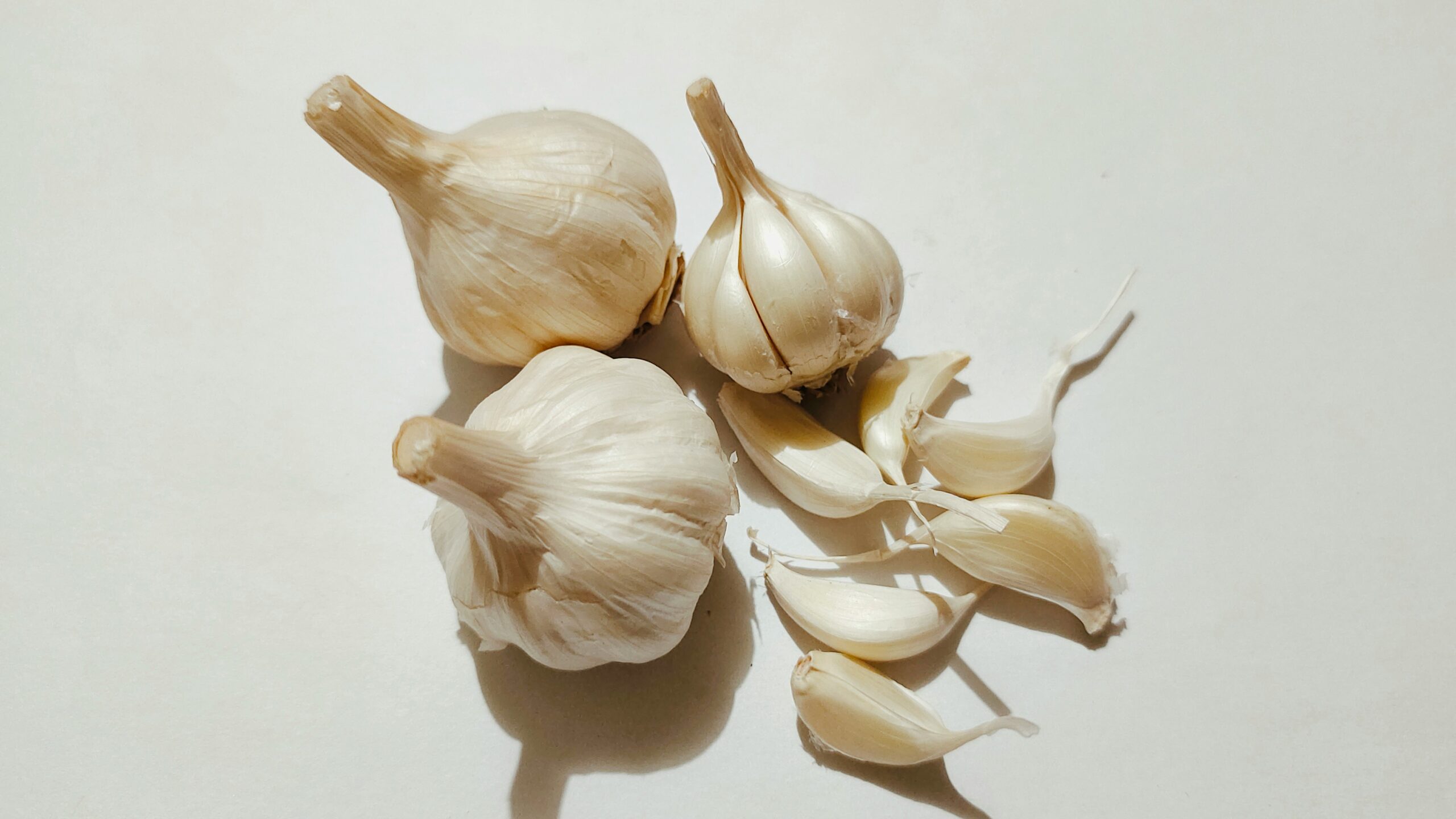
Aged garlic extract has accumulated a relatively strong evidence base for blood pressure reduction among natural compounds, with effects appearing dose-related [14].
The Role of Sodium Reduction
Reducing dietary sodium is one of the most reliably effective single-nutrient interventions for blood pressure. A dose-response meta-analysis of randomized trials found that reducing sodium excretion by 130 mmol/day was associated with an average drop of 4.26 mmHg systolic and 2.07 mmHg diastolic, with greater effects in older individuals, those with higher baseline blood pressure, and non-white populations [15]. A Cochrane-level meta-analysis confirmed that in people with hypertension, sodium reduction of this magnitude lowered systolic pressure by approximately 5.7 mmHg [16].
The largest benefits accrue from eliminating processed and packaged foods, which account for the majority of dietary sodium in Western populations; not the saltshaker.
Putting It All Together
The research points clearly toward dietary patterns, not individual superfoods. The DASH diet holds the strongest clinical trial evidence for blood pressure reduction, with the Mediterranean diet as a compelling alternative offering similar cardiovascular benefits with greater palatability and cultural flexibility for many people. Both diets converge on the same broad principles:
- Prioritize vegetables, fruits, legumes, and whole grains
- Choose lean proteins and oily fish over processed or red meats
- Use olive oil as the primary fat
- Include nuts, seeds, and low-fat dairy
- Minimize sodium, added sugar, and ultra-processed foods
For those with hypertension or elevated blood pressure, combining dietary change with sodium reduction and healthy weight produces the largest results. These changes do not replace medical treatment when it is indicated, but they are among the most powerful non-pharmacological tools in cardiovascular medicine.
Work with me to see how nutrition can best fit your health needs. Schedule a free discovery call today.
References
- Appel LJ, Brands MW, Daniels SR, et al. Dietary approaches to prevent and treat hypertension: a scientific statement from the American Heart Association. Hypertension. 2006;47(2):296–308. PMID: 16434724
- Juraschek SP, Miller ER, Weaver CM, Appel LJ. DASH diet review: scientific basis, key findings, and health benefits. Nutrients. 2023;15(18):3906. PMC: PMC10551663
- Saneei P, Salehi-Abargouei A, Esmaillzadeh A, Azadbakht L. Influence of Dietary Approaches to Stop Hypertension (DASH) diet on blood pressure: a systematic review and meta-analysis on randomized controlled trials. Nutrition, Metabolism and Cardiovascular Diseases. 2014;24(12):1253–1261. PMID: 25149893
- Zarei M, Heshmati A, Pezeshki Z, et al. Blood pressure impact of dietary practices using the DASH method: a systematic review and meta-analysis. Clinical Hypertension. 2025;31:e12. PMC: PMC11975635
- Liweleya S, Sibbenga F, Luwaya E, et al. Mediterranean diet as a therapeutic strategy for hypertension and cardiovascular health. International Journal of Hypertension. 2025;2025:2369674. PMC: PMC12695416
- Doménech M, Roman P, Lapetra J, et al. Mediterranean diet reduces 24-hour ambulatory blood pressure, blood glucose, and lipids: one-year randomized, clinical trial. Hypertension. 2014;64(1):69–76. PMID: 24799608
- Filippou CD, Tsioufis CP, Thomopoulos CG, et al. Mediterranean diet and blood pressure reduction in adults with and without hypertension: a systematic review and meta-analysis of randomized controlled trials. Clinical Nutrition. 2021;40(5):3191–3200. PMID: 33581952
- Harokopio University of Athens. Twenty-year longitudinal study on Mediterranean diet adherence and hypertension risk (2002–2022). Reported in Medical News Today, April 2024. [Study authors and journal in press at time of publication]
- Zambrano AK, Cadena-Ullauri S, Ruiz-Pozo VA, et al. Impact of fundamental components of the Mediterranean diet on the microbiota composition in blood pressure regulation. Journal of Translational Medicine. 2024;22:432. PMC: PMC11067105
- Tomé-Carneiro J, Visioli F. Plant-based diets reduce blood pressure: a systematic review of recent evidence. Current Hypertension Reports. 2023;25(7):141–155. PMC: PMC10224875
- Gee LC, Ahluwalia A. Dietary nitrate lowers blood pressure: epidemiological, pre-clinical experimental and clinical trial evidence. Current Hypertension Reports. 2016;18(2):17. PMC: PMC4729801
- Cassidy A, Mukamal KJ, Liu L, Franz M, Eliassen AH, Rimm EB. High anthocyanin intake is associated with a reduced risk of myocardial infarction in young and middle-aged women. Circulation. 2013;127(2):188–196. PMID: 23319811
- Poorolajal J, Zeraati F, Soltanian AR, Sheikh V, Hooshmand E, Maleki A. Oral potassium supplementation for management of essential hypertension: a meta-analysis of randomized controlled trials. PLOS ONE. 2017;12(4):e0174967. PMC: PMC6627949 [see also Filippini T et al. summary]
- Barbagallo CM, Cefalù AB, Gallo S, Rizzo M, Noto D. Nutraceuticals with a clinically detectable blood pressure-lowering effect: a review of available randomized clinical trials and their meta-analyses. British Journal of Clinical Pharmacology. 2017;83(1):163–171. PMC: PMC5338151
- Aburto NJ, Ziolkovska A, Hooper L, Elliott P, Cappuccio FP, Meerpohl JJ. Effect of dose and duration of reduction in dietary sodium on blood pressure levels: systematic review and meta-analysis of randomised trials. BMJ. 2020;368:m315. PMC: PMC7190039
- Hooper L, Bartlett C, Davey Smith G, Ebrahim S. Effects of low sodium diet versus high sodium diet on blood pressure, renin, aldosterone, catecholamines, cholesterol, and triglyceride. Cochrane Database of Systematic Reviews. 2020;12:CD004022. PMID: 33314019
This article is for informational purposes only and does not constitute medical advice. If you have hypertension or cardiovascular concerns, please consult your healthcare provider.